PFAS Water Testing
Advanced PFAS Testing Services for Water Safety, Regulatory Compliance, and Risk Management
Per- and polyfluoroalkyl substances (PFAS) have emerged as one of the most critical
environmental and public health concerns worldwide. Often referred to as “forever chemicals,”
PFAS compounds are highly persistent, resistant to degradation, and capable of accumulating
in water systems, soil, and the human body over time.
Even at extremely low concentrations, PFAS exposure has been linked to serious health risks,
leading to increased regulatory scrutiny and stricter compliance requirements for water systems,
industrial facilities, and manufacturers.
CMDC Labs provides advanced PFAS water testing services designed to detect and quantify
trace levels of PFAS compounds in drinking water, groundwater, wastewater, and
environmental water systems. Using highly sensitive analytical techniques, we help
organizations identify contamination risks, meet evolving regulatory requirements, and protect
public health.
CMDC Labs is
accredited under
Why PFAS Testing Is Critical Today
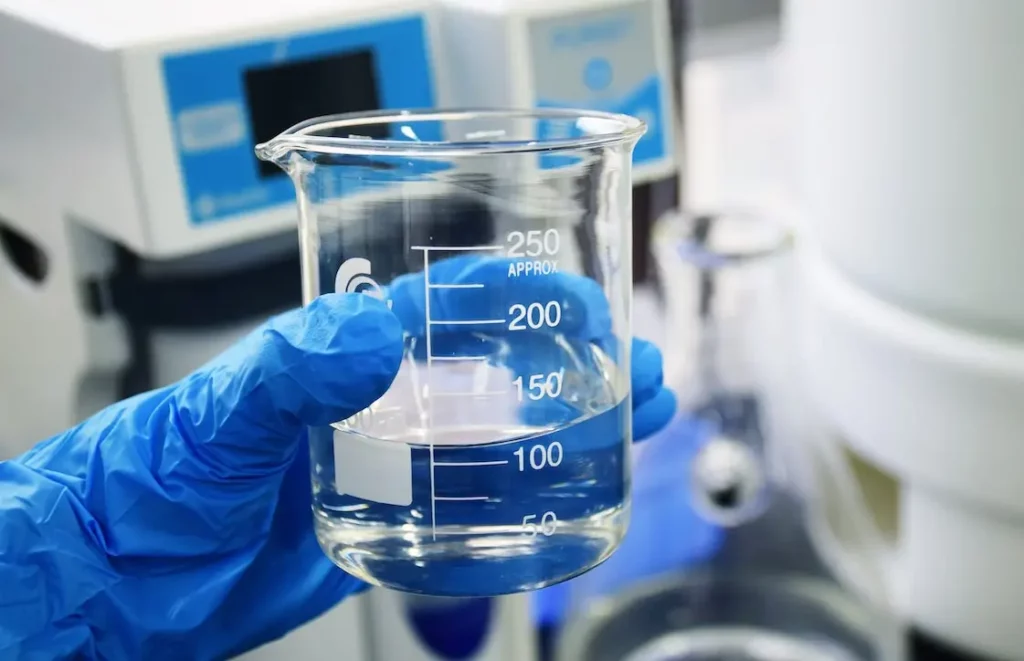
PFAS contamination is not always visible, detectable by taste, or immediately apparent through standard water testing. These chemicals can persist in water systems for decades, often spreading through groundwater and municipal systems without detection.
Organizations face increasing challenges related to PFAS, including:
- stricter regulatory limits for PFAS in drinking water
- liability risks associated with contamination exposure
- public health concerns and community impact
- environmental compliance requirements
- costly remediation and cleanup obligations
Failure to identify PFAS contamination early can result in regulatory penalties, reputational
damage, and long-term environmental consequences.
PFAS testing allows organizations to detect contamination at trace levels and take proactive
measures before issues escalate.
What Are PFAS Compounds?
PFAS are a group of synthetic chemicals widely used in industrial applications and consumer products due to their resistance to heat, water, and oil.
Common PFAS compounds include:
- PFOA (Perfluorooctanoic acid)
- PFOS (Perfluorooctanesulfonic acid)
- PFHxS (Perfluorohexane sulfonate)
- PFNA (Perfluorononanoic acid)
Because PFAS do not easily break down, they can accumulate in water systems and pose long- term environmental and health risks.
firefighting foams (AFFF)
non-stick coatings
water-resistant textiles
food packaging materials
industrial manufacturing processes
Health and Environmental Risks of PFAS
Research has linked PFAS exposure to a range of potential health effects, particularly with long- term exposure through drinking water.
Potential risks include:
- immune system suppression
- developmental and reproductive effects
- liver and kidney damage
- increased risk of certain cancers
- thyroid hormone disruption
PFAS contamination also affects ecosystems, impacting aquatic life and environmental health.
These risks have led regulatory agencies to establish increasingly strict limits on allowable PFAS levels in water systems.

Our PFAS Water Testing Capabilities
CMDC Labs provides high-sensitivity PFAS testing designed to detect trace levels of contamination in various water sources.
Our testing capabilities include:
- targeted PFAS compound analysis (e.g., PFOA, PFOS)
- multi-compound PFAS screening panels
- ultra-trace level detection using advanced instrumentation
- quantitative analysis for regulatory reporting
- contamination source evaluation
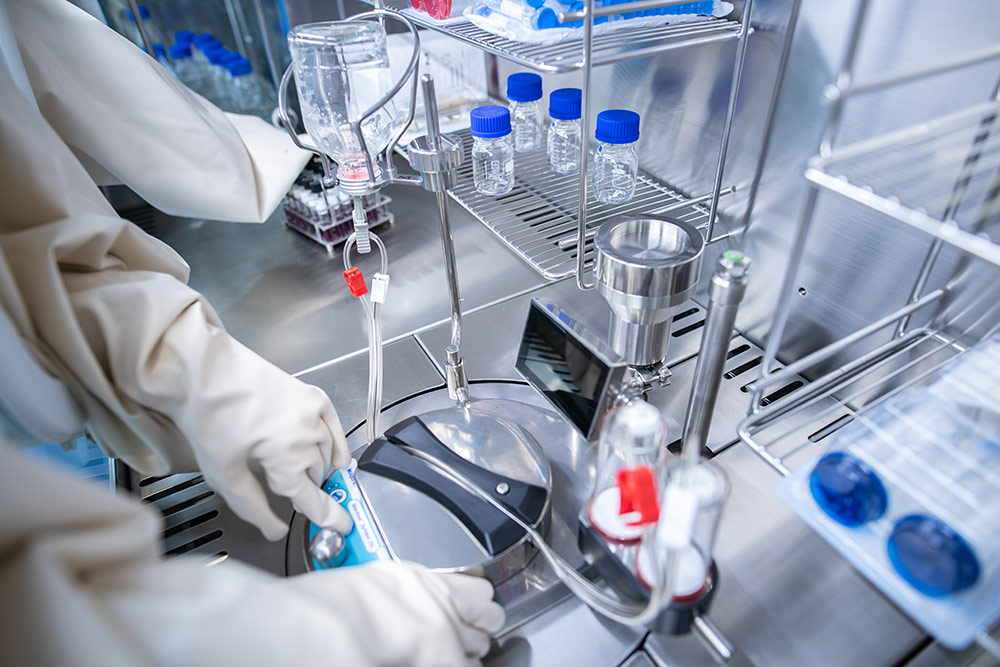
Our laboratory uses advanced analytical techniques such as liquid chromatography with tandem mass spectrometry (LC-MS/MS) to ensure accurate detection at extremely low concentrations.
Water Sources We Test
PFAS contamination can occur across multiple water systems. CMDC Labs supports testing for:
- drinking water systems
- groundwater and wells
- surface water (lakes, rivers, reservoirs)
- industrial wastewater
- municipal water supplies
- environmental monitoring sites
Our testing programs are designed to address the specific risks associated with each type of water source.

Industries and Organizations We Support
PFAS testing is critical across multiple industries and sectors facing increasing regulatory pressure.
CMDC Labs supports:
- municipalities and water utilities
- environmental consulting firms
- industrial and manufacturing facilities
- airports and military sites (AFFF exposure risk)
- real estate and property developers
- agricultural operations
We work with organizations to identify contamination risks, support compliance, and develop long-term monitoring strategies.

Regulatory Standards and Compliance
Regulatory agencies worldwide are tightening limits on PFAS levels in drinking water and environmental systems.
CMDC Labs supports compliance with:
- US EPA PFAS guidelines and drinking water limits
- state-specific PFAS regulations
- international environmental standards
- emerging regulatory frameworks for PFAS monitoring
Our laboratory provides accurate data required for regulatory reporting, environmental
assessments, and compliance documentation.

PFAS Risk Assessment and Monitoring Programs
PFAS testing is often part of broader environmental risk management strategies. CMDC Labs
supports organizations with:
- initial contamination screening
- ongoing monitoring programs
- internationacontamination source identificationl environmental standards
- risk assessment and data interpretation
- support for remediation planning
These programs help organizations manage long-term PFAS risks and maintain regulatory
compliance.

Sample Submission and Testing Process
CMDC Labs provides a streamlined process for drinking water testing projects.CMDC Labs provides a structured process for PFAS testing projects.
- Step 1 — Consultation
Discuss your water source, testing requirements, and regulatory obligations.
- Step 2 — Sample Collection & Submission
Samples are collected following proper handling procedures to prevent contamination.
- Step 3 — Laboratory Analysis
Testing is conducted using validated methods and advanced instrumentation.
- Step 4 — Reporting and Interpretation
Detailed reports are provided with clear results and guidance for next steps.
Turnaround times vary depending on testing scope, with expedited options available when required.

Related Testing Services
PFAS testing is often combined with broader water and environmental analysis programs.
Drinking Water Testing
Municipal Water Testing
Wastewater Testing
Environmental Water Contamination Testing
Chemical Analysis
Environmental Health Analysis
These integrated services provide a complete picture of water quality and contamination risks.
Why Choose CMDC Labs for PFAS Testing
advanced PFAS detection capabilities
highly sensitive analytical instrumentation (LC-MS/MS)
experienced environmental and analytical scientists
accurate, defensible laboratory results
regulatory-aligned testing methodologies
We help organizations move from uncertainty to clarity when dealing with PFAS contamination.
Start Your PFAS Testing Project
Whether you are assessing drinking water safety, investigating environmental contamination, or
preparing for regulatory compliance, CMDC Labs provides the expertise and laboratory
capabilities needed to support your project.

Water Testing
Drinking water quality directly impacts public health, industrial operations, and regulatory compliance. Whether supplied through municipal systems, private wells, or industrial infrastructure, water must meet strict safety standards to ensure it is free from harmful contaminants.

Environmental Water Contamination Testing
Contaminated water can affect not only human health but also ecosystems, agriculture, and infrastructure. Environmental contamination is often difficult to detect early and can spread rapidly across water systems.
Contaminant Analysis
Contaminants can enter products, materials, and environments at any stage — from raw material sourcing to manufacturing, packaging, storage, and distribution. These contaminants may be chemical, biological, or environmental in nature, and even trace levels can compromise product safety, regulatory compliance, and consumer trust.