Material Characterization Services
Comprehensive Material Characterization Services for Medical Devices, Pharmaceuticals, Biomaterials & Advanced Product Development
Material characterization is a fundamental component of scientific research, product
development, quality assurance, manufacturing, and regulatory support. Understanding the
physical, chemical, elemental, and surface properties of materials allows organizations to
evaluate product performance, investigate failures, improve manufacturing consistency, support
innovation, and make informed engineering decisions.
From medical devices and biomaterials to pharmaceuticals, polymers, coatings, industrial
products, and advanced materials, comprehensive material characterization provides the
scientific information necessary to optimize products throughout their lifecycle.
At CMDC Labs
provides professional Material Characterization Services for organizations throughout the United States. Our multidisciplinary laboratory combines advanced analytical chemistry techniques with scientific expertise to help manufacturers, researchers, engineers, biotechnology companies, pharmaceutical organizations, and medical device developers better understand the materials used within their products and manufacturing processes.
CMDC Labs is
accredited under


What Is Material Characterization?
Material characterization is the scientific evaluation of a material's physical, chemical, structural,
elemental, and surface properties using advanced laboratory techniques.
Material characterization helps organizations understand:
- Material composition
- Chemical properties
- Surface characteristics
- Elemental composition
- Material consistency
- Structural properties
- Manufacturing quality
- Product performance
- Material compatibility
- Product reliability
- Research outcomes
- Scientific investigations
These evaluations provide valuable scientific information supporting product development, quality management, and innovation.
Industries That Utilize Material Characterization
Medical Device Manufacturers
Medical device companies perform material characterization to evaluate biomaterials, implants,
polymers, coatings, surface treatments, and finished medical devices throughout development
and manufacturing.
Pharmaceutical Manufacturers
Pharmaceutical organizations utilize material characterization during formulation development,
packaging evaluations, manufacturing investigations, stability programs, and product quality
assessments.
Biotechnology Companies
Biotechnology organizations rely upon material characterization to support biologics
development, laboratory investigations, research programs, and advanced materials research.
Industrial Manufacturers
Industrial companies evaluate metals, plastics, ceramics, composites, coatings, adhesives, and
specialty materials to improve manufacturing quality and product performance.
Environmental Organizations
Environmental laboratories perform material investigations supporting contamination studies,
environmental research, and scientific evaluations.
Food & Nutraceutical Manufacturers
Manufacturers utilize analytical laboratory services to evaluate packaging materials, production
equipment, raw materials, and product consistency.
Universities & Research Institutions
Research organizations perform material characterization across numerous scientific disciplines
supporting innovation and discovery.

Applications of Material Characterization
Material characterization supports numerous scientific and engineering applications, including:
- Product development
- Material selection
- Manufacturing quality
- Material comparison
- Product investigations
- Failure analysis
- Surface evaluations
- Biomaterial research
- Implant development
- Product validation
- Scientific research
- Quality assurance
Reliable laboratory data helps organizations better understand material behavior under real-
world conditions.

CMDC Labs Material Characterization Capabilities
CMDC Labs provides multidisciplinary laboratory services supporting comprehensive material
characterization across multiple industries.
Chemical Characterization
Evaluation of material composition, chemical properties, impurities, additives, and product
consistency.
Surface Characterization
Analytical evaluations supporting manufacturing quality and product characterization.
Elemental Analysis
Analytical investigations supporting elemental composition, trace metals, contaminants, and
material purity.
Material Comparison Studies
Laboratory evaluations comparing:
- Raw materials
- Finished products
- Manufacturing lots
- Product modifications
- Alternative materials
- Research samples
Product Development Support
Material characterization supports organizations during:
- New product development
- Product optimization
- Material selection
- Manufacturing improvements
- Scientific investigations
- Research initiatives
Failure Investigations
Material characterization frequently supports investigations involving:
- Product failures
- Material degradation
- Manufacturing inconsistencies
- Surface defects
- Contamination concerns
- Root cause analysis
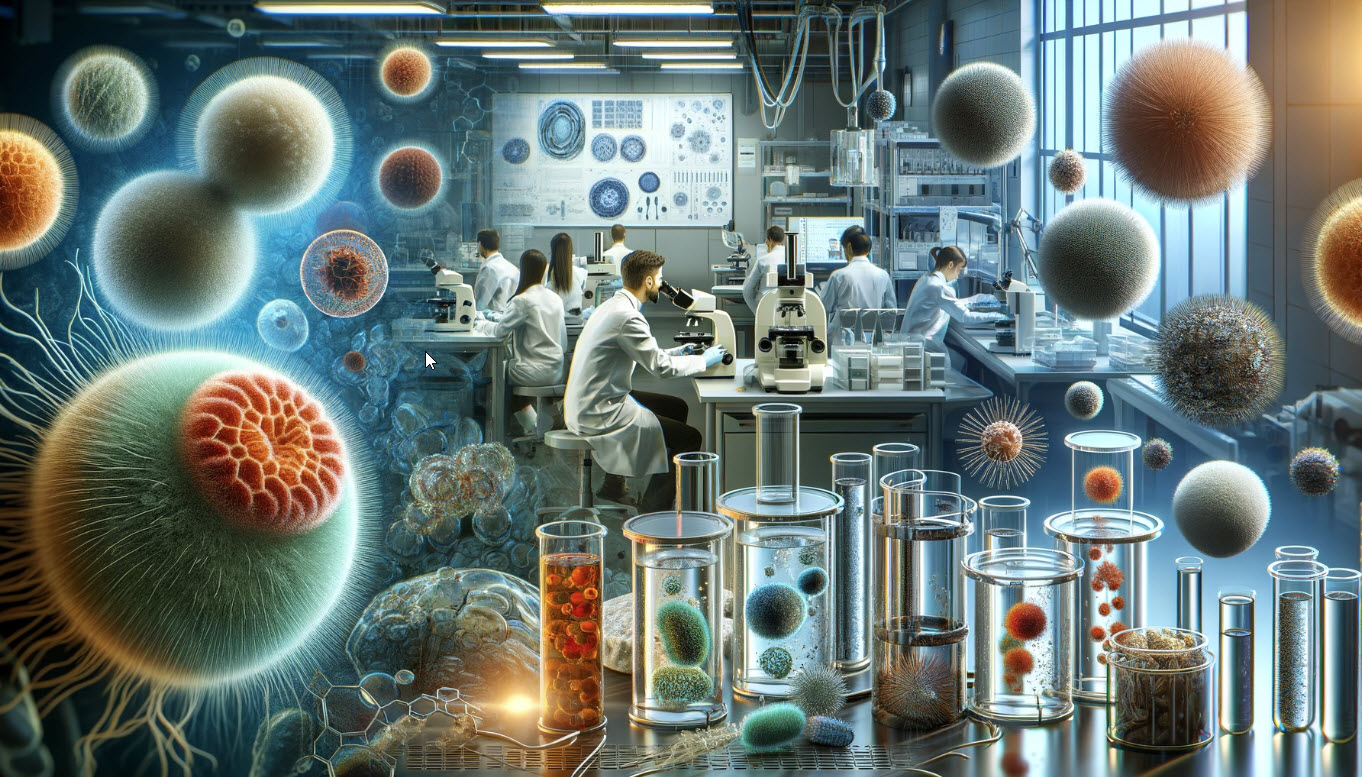

Analytical Technologies Supporting Material Characterization
Depending on project requirements, CMDC Labs utilizes a combination of analytical techniques,
including:
- High-Performance Liquid Chromatography (HPLC)
- Gas Chromatography (GC)
- ICP-MS Analysis
- FTIR Analysis
- Raman Spectroscopy
- SEM Analysis
- XPS Analysis
- Surface Chemistry Analysis
- Chemical Characterization
- Advanced Spectroscopy
Using multiple complementary analytical techniques provides a more complete understanding of
material properties and performance.
Benefits of Material Characterization
Organizations utilize material characterization to:
- Better understand material performance
- Improve product quality
- Support manufacturing consistency
- Evaluate biomaterials
- Investigate product failures
- Optimize product design
- Support research initiatives
- Improve scientific understanding
- Strengthen quality systems
- Support informed engineering decisions
Comprehensive material characterization helps reduce uncertainty throughout product
development and manufacturing.

Industries We Support
CMDC Labs provides material characterization services for:
- Medical device manufacturers
- Pharmaceutical companies
- Biotechnology organizations
- Industrial manufacturers
- Food manufacturers
- Nutraceutical companies
- Environmental consultants
- Municipal organizations
- Healthcare institutions
- Universities and research institutions
Our laboratory provides nationwide analytical support backed by multidisciplinary scientific
expertise.

Why Organizations Choose CMDC Labs
Advanced analytical chemistry expertise
Multidisciplinary laboratory capabilities
Medical device laboratory experience
Scientific collaboration
Product development support
Failure investigation expertise
Environmental laboratory capabilities
Responsive customer service
Nationwide laboratory support
Commitment to scientific excellence
Our objective is to provide dependable material characterization services that support innovation, manufacturing excellence, scientific discovery, and product quality.
Frequently Asked Questions
What is material characterization?
What industries utilize material characterization?
What analytical techniques are used for material characterization?
Can material characterization support medical device development?
Does CMDC Labs provide material characterization services nationwide?
Supporting Product Development Through Advanced Material Characterization
Understanding how materials perform is essential for successful product development,
manufacturing quality, scientific research, and long-term product reliability. Material
characterization provides the scientific foundation organizations need to evaluate products,
improve manufacturing consistency, investigate failures, and support innovation.
CMDC Labs combines advanced analytical chemistry, multidisciplinary laboratory expertise, and
collaborative scientific support to deliver reliable material characterization solutions tailored to
each client’s objectives.
Whether your organization is developing a medical device, evaluating biomaterials, investigating
industrial products, supporting pharmaceutical research, or conducting advanced scientific
studies, our laboratory is prepared to provide dependable analytical data and technical
expertise.
Request Material Characterization Services from CMDC Labs
Whether you are a medical device manufacturer, pharmaceutical company, biotechnology
organization, industrial manufacturer, food producer, environmental consultant, municipality,
healthcare institution, or research laboratory, CMDC Labs Material Characterization Services
provide advanced scientific expertise and analytical capabilities to support your research,
manufacturing, product development, and quality objectives.
Contact CMDC Labs today to discuss your material characterization requirements and
learn how our multidisciplinary analytical laboratory can support your scientific testing,
product development, and innovation goals.

PFAS Water Testing
Per- and polyfluoroalkyl substances (PFAS) have emerged as one of the most critical environmental and public health concerns worldwide. Often referred to as “forever chemicals,” PFAS compounds are highly persistent, resistant to degradation, and capable of accumulating in water systems, soil, and the human body over time.

Drinking Water Contaminant Analysis
Drinking water is one of the most critical resources for public health, and even trace levels of contaminants can pose serious risks. Contamination may originate from natural sources, industrial activities, aging infrastructure, or environmental exposure, making regular and precise testing essential.

Heavy Metal Testing
Heavy metals such as lead (Pb), arsenic (As), cadmium (Cd), and mercury (Hg) are among the most critical contaminants monitored across industries including food, pharmaceuticals, cosmetics, medical devices, and environmental systems.

Water Testing
Drinking water quality directly impacts public health, industrial operations, and regulatory compliance. Whether supplied through municipal systems, private wells, or industrial infrastructure, water must meet strict safety standards to ensure it is free from harmful contaminants.