Environmental Contamination Investigation
Scientific Investigation of Unexpected Contaminants in Environmental Samples
Environmental contamination problems can begin with a known release, an unexpected
laboratory result, a change in water or soil quality, or simply evidence that something is
present where it should not be.
to:
Potential concerns may involve:
- Water contamination
- Groundwater contamination
- Soil contamination
- Wastewater contamination
- Chemical contaminants
- Metals
- PFAS
- Microbial contamination
- Unknown compounds
- Sediment or deposits
- Industrial or process-related contamination
- Contamination associated with a facility or surrounding environment
- Differences between locations or sampling points
The scientific questions may include:
What contaminant is present?
Where is it being detected?
How do affected and reference locations differ?
Is there a pattern across sampling locations?
What potential sources should be investigated?
CMDC Labs supports appropriate environmental contamination investigations using
environmental testing, analytical chemistry, water analysis, microbiology, metals
analysis, PFAS testing, comparative sampling, and scientific troubleshooting.
The objective is to characterize the contamination and generate scientific evidence that can help
organizations understand what is present, where it occurs, and what should be
investigated next.
CMDC Labs is
accredited under



Start With the Environmental Problem
A useful investigation begins by defining what prompted the concern.
Questions may include:
- What contamination is suspected?
- Has a contaminant already been detected?
- What environmental matrix is involved?
- Where was the finding detected?
- When was it first observed?
- Is the problem continuous or intermittent?
- Are multiple locations affected?
- Are historical results available?
- Is there a suspected source?
- Did facility operations or surrounding conditions change?
- Are unaffected or background locations available for comparison?
The answers help determine the appropriate sampling and analytical strategy.
Environmental Contamination Can Involve Different Matrices
- Drinking water
- Groundwater
- Wastewater
- Other water
- Soil
- Sediment
- Deposits
- Environmental materials
- Facility-related samples
- Other appropriate matrices
Map Where the Contamination Occurs
Location Can Be Part of the Scientific Evidence
One isolated result may establish that something was detected.
Multiple strategically selected samples can help reveal a pattern.
For example:
Reference / Background Location
↓
Location Near Suspected Source
↓
Intermediate Location
↓
Affected Location
Comparing results across locations may help determine whether contaminant concentrations or
characteristics vary spatially.
The sampling design should reflect the actual site and investigative question.
Compare Affected & Reference Locations
Useful comparisons may include:
Affected Location
vs.
Background / Reference Location
Upstream
vs.
Downstream
Upgradient
vs.
Downgradient
Before Facility Process
vs.
After Facility Process
Historical Sample
vs.
Current Sample
These comparisons can provide more context than evaluating a single analytical result in
isolation.

Known Contaminant Investigation
Sometimes the contaminant is already known.
The investigation may then focus on questions such as:
- Where is it present?
- At which locations is it detected?
- How do results differ between locations?
- Has the concentration changed over time?
- Is it associated with a particular source or process?
- Is it also present in relevant source materials?
Where the analyte is known, targeted analytical testing may be the most appropriate starting
point.
Unknown Environmental Contaminants
In other cases, the problem begins with:
- Unexpected odor
- Discoloration
- Residue
- Unknown analytical signal
- Unidentified material
- Unexplained environmental change
The investigation may first need to determine what type of material or compound is present.
Where the problem is primarily an unidentified chemical:
Explore Unknown Compound Investigation
Where a physical particle, deposit, film, or residue is present:

PFAS Contamination Investigation
PFAS may become a specific concern in environmental investigations involving appropriate
matrices such as:
- Drinking water
- Groundwater
- Wastewater
- Environmental water
- Other technically appropriate samples
Where PFAS is already the defined analytical concern, users should proceed directly to CMDC
Labs’ dedicated PFAS testing service.

Metals & Environmental Contamination
Metals may become relevant in investigations involving:
- Water
- Groundwater
- Soil
- Industrial processes
- Deposits
- Corrosion
- Environmental releases
- Other appropriate matrices
Elemental analysis can help determine whether relevant metals are present and compare
concentrations across samples.
Depending on the project, ICP-MS may provide an appropriate analytical approach.
Chemical Contamination
Environmental chemical concerns may involve:
- Industrial chemicals
- Process-related chemicals
- Organic contaminants
- Volatile compounds
- Semi-volatile compounds
- Unknown chemicals
- Other analytes
Appropriate techniques may include HPLC, GC, GC-MS, LC-MS/MS where technically suitable,
or other chemical-analysis methods depending on the analyte and matrix.
Microbial Environmental Contamination
Environmental investigations may also involve microorganisms.
Potential concerns may include:
- Water contamination
- Facility contamination
- Wastewater
- Environmental microbial sources
- Recurring product contamination
- Other microbial findings
Microbiological testing may help evaluate:
- Presence
- Enumeration
- Identification where appropriate
- Differences between locations
- Similarities among environmental and product samples
Groundwater Contamination
Groundwater investigations may involve:
- PFAS
- Metals
- Chemical contaminants
- Microorganisms
- Other environmental analytes
A useful sampling design may compare:
Potential Source Area
vs.
Reference Location
or:
Upgradient
vs.
Downgradient
where technically and geographically appropriate.
Where the need is routine or defined groundwater analysis rather than troubleshooting:
Soil Contamination
Soil may become relevant where environmental contaminants are suspected around:
- Industrial activity
- Chemical handling
- Historical operations
- Releases
- Waste areas
- Other potential contamination sources
Analytical requirements depend on the suspected contaminant and project objective.

Wastewater & Environmental Investigation
Wastewater results can sometimes provide evidence about contaminants entering or leaving a
process.
Useful questions may include:
- Is the contaminant present before a particular process?
- Does its concentration change after the process?
- Is it associated with a specific production period?
- Did raw materials or operations change?
- Is the finding recurring?
Water Quality & Environmental Contamination
Environmental contamination may ultimately appear as a water-quality problem.
For example:
Environmental Source
↓
Groundwater / Surface Water
↓
Facility or Water Supply
↓
Observed Water Quality Change
Where the immediate problem is unexplained water quality rather than the broader
environmental source:
Industrial & Facility-Related Contamination
Potential contamination sources may include:
- Manufacturing processes
- Raw materials
- Waste streams
- Storage areas
- Process water
- Equipment
- Chemical handling
- Facility infrastructure
An investigation may compare environmental findings with relevant facility or process samples
to determine whether analytical similarities exist.
This does not by itself establish source attribution, but it can help identify hypotheses
deserving further investigation.

Manufacturing & Environmental Contamination
A manufacturing problem and an environmental contamination problem may sometimes
overlap.
For example:
Process Material / Chemical
↓
Facility Environment
↓
Water / Wastewater / Surface / Environmental Sample
or the reverse:
Environmental Contaminant
↓
Facility / Process
↓
Product Contamination
Where manufacturing itself is the primary troubleshooting question:

Product Contamination From the Environment
An environmental source may become relevant when a contaminant is detected in a product.
A broader investigation may compare:
Affected Product
●
Raw Materials
●
Water
●
Manufacturing Environment
●
Relevant Environmental Samples
The objective is to determine whether patterns across these samples support or weaken
potential contamination pathways.
Source Investigation Through Comparative Testing
Does the Environmental Finding Resemble a Suspected Source?
Where potential source samples are available, comparison may involve:
Environmental Sample
vs.
Suspected Source Material
or:
Contaminant Profile at Location A
vs.
Contaminant Profile at Location B
Useful evidence may include:
- Chemical characteristics
- Elemental characteristics
- Microbiological findings
- Material characteristics
- Concentration patterns
However, analytical similarity should be interpreted carefully.
Similarity can support further investigation of a possible relationship; it does not
automatically prove that one sample caused the other.
Temporal Patterns
Time can provide another important dimension.
Comparisons may involve:
Historical Results
vs.
Current Results
or repeated samples collected:
- Before an event
- During an event
- After an event
- During different operating conditions
Questions may include:
- When did the contaminant first appear?
- Is it increasing or decreasing?
- Is it intermittent?
- Does it correspond with facility activity?
- Does it correspond with changes in water, process, or environment?
Environmental Deposits & Residues
Unexpected environmental materials may include:
- Sediment
- Deposits
- Films
- Powders
- Particles
- Residues
- Corrosion-related material
Analyzing the physical material may complement environmental water or soil testing.
Appropriate techniques may include:
- Microscopy
- FTIR
- Raman
- SEM
- Elemental analysis
- Surface analysis
depending on the sample and scientific question.
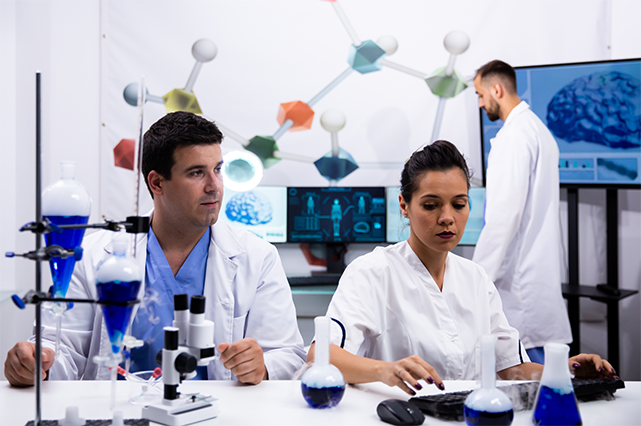
Failure Reproduction & Controlled Comparison
Some environmental hypotheses may be evaluated through controlled studies.
For example:
Material / Product Exposed to Suspected Environmental Condition
vs.
Unexposed Control
Condition
↓
Characterize Resulting Changes
Condition
↓
Compare With Original Problem
This may be useful when the question involves environmental exposure contributing to:
- Product degradation
- Corrosion
- Material change
- Coating failure
- Other observed effects
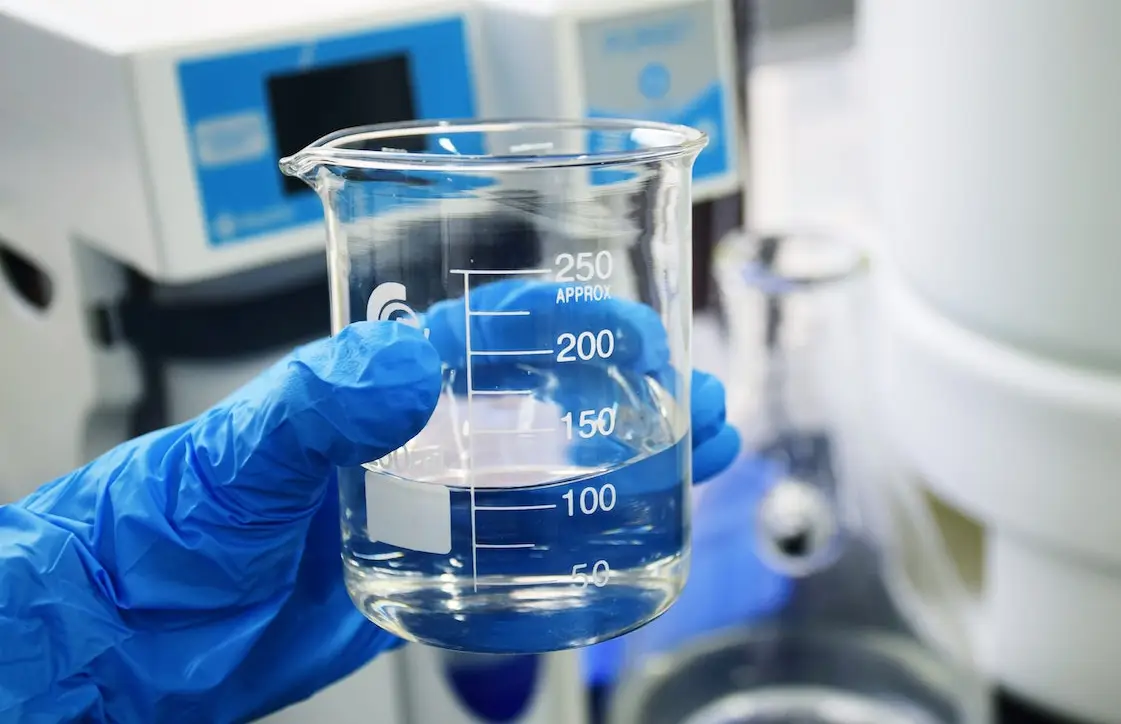
Environmental Exposure & Product Degradation
Environmental contaminants or conditions may contribute to:
- Chemical degradation
- Material deterioration
- Surface changes
- Corrosion
- Discoloration
- Product instability
Where the primary question is what happened to the product:
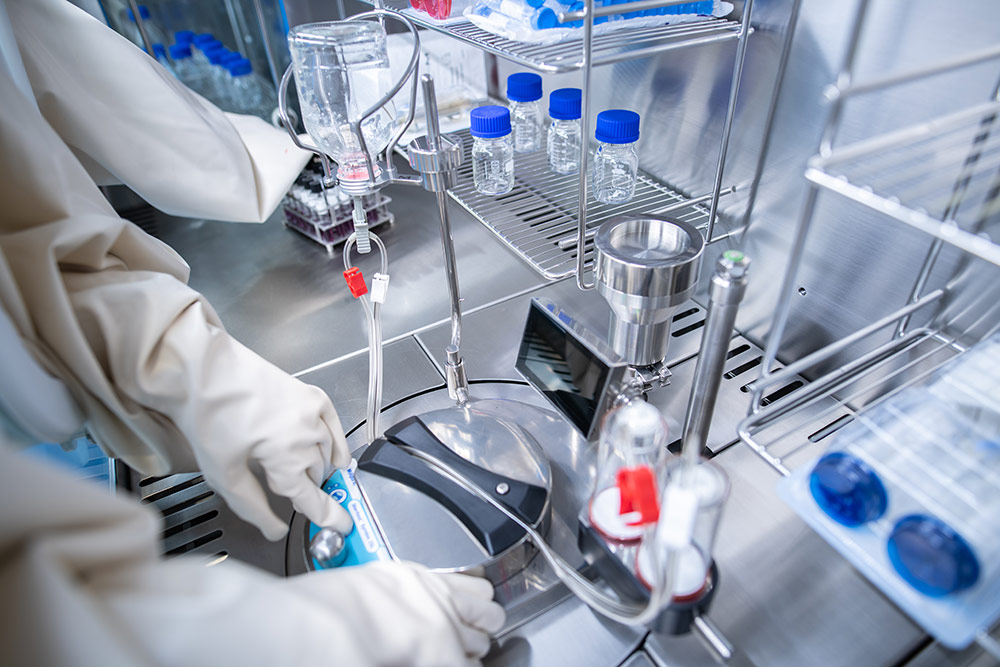
Environmental Exposure & Material Compatibility
Materials may behave differently when exposed to:
- Water
- Chemicals
- Humidity
- Environmental contaminants
- Other external conditions
If the central question concerns how a material interacts with the environment:
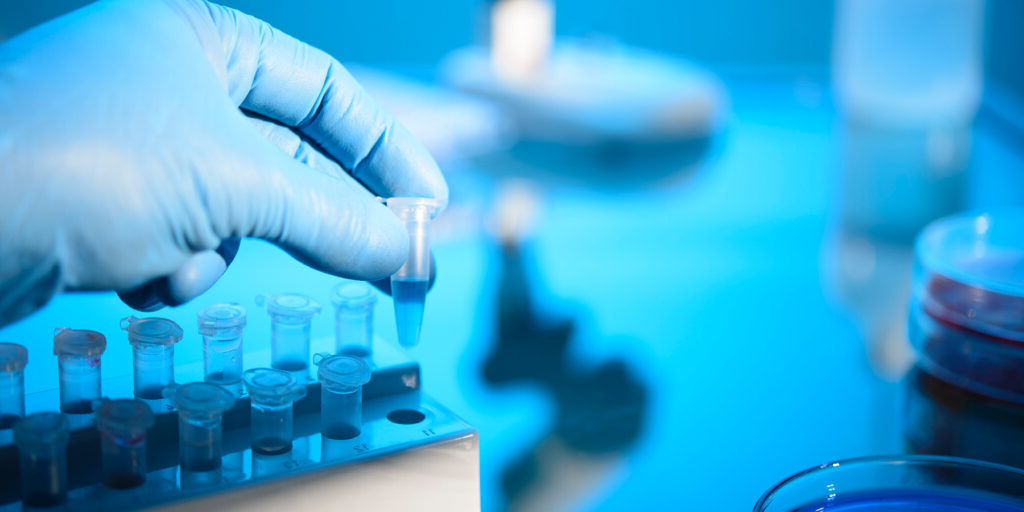
Root Cause Analysis for Environmental Contamination
Environmental Contamination Investigation may contribute to a broader root-cause process.
A project may progress through:
Unexpected Environmental Finding
↓
Define Contaminant / Observation
↓
Map Relevant Locations
↓
Collect Affected & Reference Samples
↓
Characterize Contamination
↓
Review Site / Facility / Process / Environmental History
↓
Identify Potential Sources or Pathways
↓
Perform Targeted Comparative Testing
↓
Collect Additional Spatial / Temporal Evidence Where Appropriate
↓
Evaluate Evidence
Avoid Overstating Source Attribution
Environmental investigations can involve complex transport pathways and multiple potential
sources.
Laboratory results may establish:
- What was detected
- Concentrations in tested samples
- Differences among locations
- Chemical or material characteristics
- Similarities between samples
- Changes over time
Those findings can contribute to source investigation.
However, laboratory similarity alone may not conclusively establish the origin, transport
pathway, responsibility, or cause of environmental contamination.
Additional site, hydrogeological, process, historical, engineering, or other evidence may be
necessary.
This distinction is important scientifically and should remain clear throughout the page.
Quality & Facility Investigation Support
Environmental findings may become relevant to:
- Manufacturing investigations
- Facility-quality investigations
- Contamination investigations
- CAPA
- Product-quality problems
- Supplier or raw-material investigations
CMDC Labs can provide laboratory evidence within the scope of the analytical work.
Final organizational, regulatory, remediation, or quality-system conclusions remain with the
appropriate responsible parties.
Laboratory Capabilities for Environmental Contamination Investigation
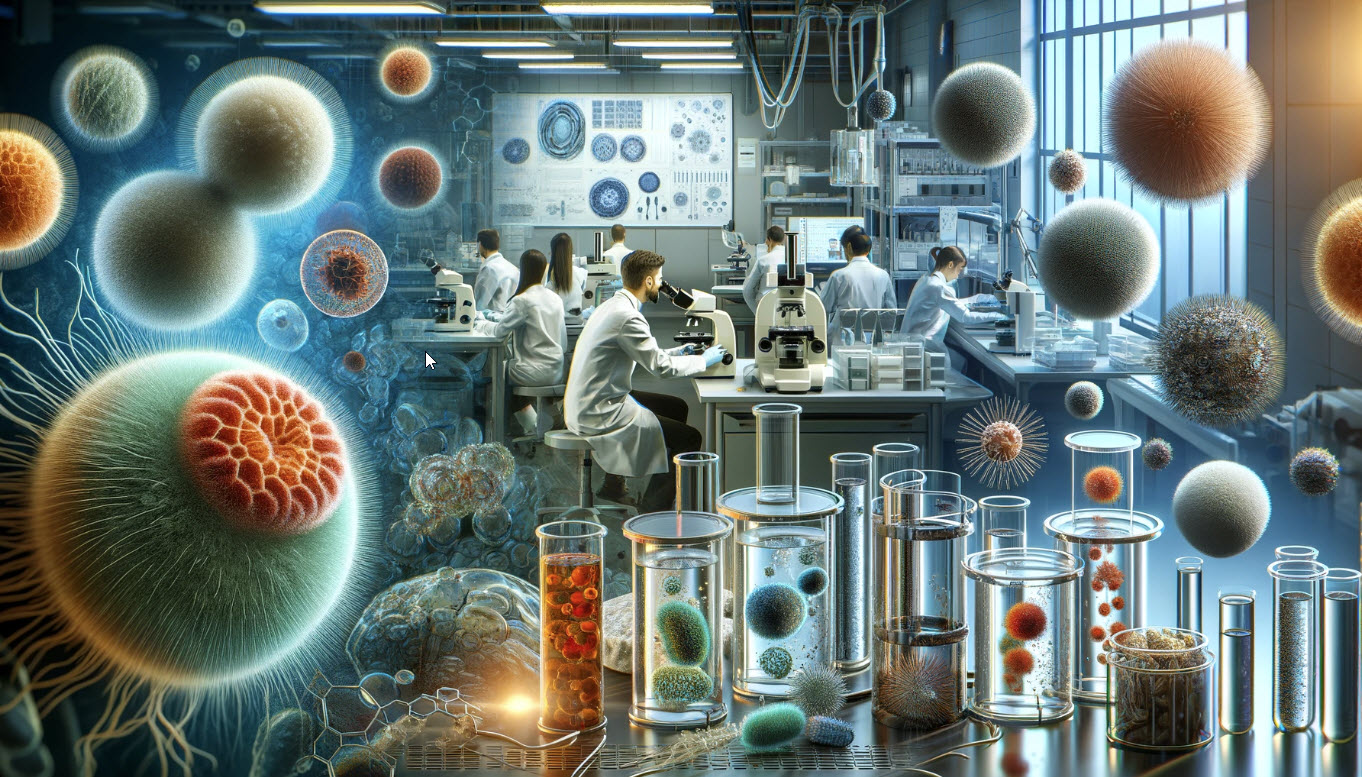
An environmental investigation may draw upon several CMDC Labs scientific areas.
Environmental Testing
For defined environmental matrices and contaminants.
Water Testing
For drinking water, groundwater, wastewater, and other appropriate water samples.
Analytical Chemistry
For known and unknown chemical contaminants.
PFAS Testing
For defined PFAS investigations in appropriate matrices.
Elemental Analysis
For metals and other relevant inorganic constituents.
Microbiology
For microbial contamination and comparative environmental investigation.
Materials Characterization
For deposits, residues, particles, and unknown environmental materials.
Scientific Troubleshooting
For connecting analytical findings with locations, potential sources, facility history, process
information, and environmental patterns.
A Typical Environmental Contamination Investigation Pathway
A project may progress through:
Unexpected Environmental Contamination Concern
↓
Define the Contaminant or Observation
↓
Identify Relevant Environmental Matrix
↓
Map Potentially Affected & Reference Locations
↓
Develop an Appropriate Sampling Strategy
↓
Analyze Relevant Samples
↓
Compare Spatial / Temporal Patterns
↓
Review Potential Sources & Pathways
↓
Perform Targeted Source Comparisons Where Appropriate
↓
Collect Additional Evidence if Needed
↓
Support Better-Informed Investigation / Quality / Remediation Decisions
The exact pathway depends on the contaminant, site, matrix, and investigative objective.
What Information Should You Provide?
Useful information may include:
- Description of the contamination concern
- Known or suspected contaminant
- Environmental matrix
- Location information
- Sampling locations
- When the problem was first observed
- Historical analytical results
- Potential source information
- Facility or process history
- Relevant operational changes
- Water-flow or environmental information where available
- Existing laboratory reports
- Photographs of deposits or visible changes
- Previous sampling data
- Relevant reference or background locations
- Potential source samples where available
You do not need to determine every analytical method before contacting CMDC Labs.
Concerned About Environmental Contamination?
Tell us:
- What was detected or observed?
- What environmental matrix is involved?
- Where was it found?
- When did the concern begin?
- Is the contaminant already known?
- Are multiple locations affected?
- Are reference or background locations available?
- Is there a suspected source?
- What testing has already been performed?
- What decision must the investigation support?
CMDC Labs can evaluate the available information and determine which laboratory resources
may be appropriate.
Tell Us About the Environmental Contamination Concern
Already Know What Testing You Need?
If you already know the contaminant, analyte, environmental matrix, analytical method, or testing requirement, proceed directly to the relevant technical service.
From Environmental Finding to Scientific Evidence
Environmental contamination investigations may connect:
water + soil + chemistry + PFAS + metals + microbiology + facilities + manufacturing + potential sources + environmental pathways.
CMDC Labs’ Scientific Troubleshooting approach helps organizations move from:
unexpected environmental finding → characterize contamination → compare locations → investigate patterns and potential sources → generate scientific evidence → better-informed next steps.