Pet Food Solutions
Food Safety Testing, Product Development & Scientific Support for Pet Food Manufacturers
Pet food manufacturing combines ingredients, raw materials, microbiology, processing,
formulation, contamination control, product quality, packaging, storage, and shelf life.
Many of the scientific challenges encountered in pet food production resemble those found
across broader food manufacturing, but the specific formulation, ingredients, processing
methods, and intended product use can create distinct laboratory questions.
.
A pet food manufacturer may need to understand:
Where could a pathogen or contaminant be entering production?
Are ingredients or raw materials contributing to product inconsistency?
Why has product shelf life changed?
Did a supplier or formulation change affect the finished product?
What laboratory investigation is appropriate for an unexpected result?
CMDC Labs supports appropriate pet-food projects with multidisciplinary scientific resources
spanning pathogen testing, microbiology, ingredient and raw-material testing, chemical
analysis, contamination investigation, product characterization, product development,
shelf-life-related investigation, manufacturing troubleshooting, research, scientific
consulting, and quality support.
CMDC Labs is
accredited under

Scientific Support Across Pet Food Manufacturing
Pet food products can involve complex combinations of:
- Animal-derived ingredients
- Plant-derived ingredients
- Nutritional components
- Raw materials
- Water
- Formulation
- Microorganisms
- Processing
- Equipment
- Manufacturing environments
- Packaging
- Storage
- Suppliers
An unexpected finished-product result may originate from any of these parts of the production
system.
CMDC Labs can evaluate the larger scientific context when testing the finished product alone
does not explain what happened.
Pet Food Safety Testing
Evaluate Microbial Hazards With Appropriate Laboratory
Testing
Microbial safety is an important consideration throughout pet food production.
Depending on the product and project requirements, food-safety testing may involve:
- Finished pet food
- Raw materials
- Ingredients
- Manufacturing environments
- Water
- Contamination investigations
The appropriate organism, sampling strategy, laboratory method, and reporting requirements
should reflect the product and intended use of the data.

Pathogen Testing for Pet Food
Pathogens can create product-safety, manufacturing, quality, and recall concerns.
Appropriate laboratory testing may support investigation for relevant microorganisms such as:
- Salmonella
- Listeria
- E. coli
- Other relevant microorganisms
A positive result can answer:
“Is the organism present?”
But it may not answer:
“Where did it come from?”
Repeated or unexpected pathogen findings may therefore require a broader investigation
involving products, raw materials, ingredients, environmental samples, water, or other relevant
sources.
Salmonella Testing & Investigation
Salmonella can represent an important concern for appropriate pet-food products, ingredients,
raw materials, and processing environments.
Testing may support:
- Finished-product evaluation
- Raw-material testing
- Ingredient testing
- Environmental investigation
- Contamination-control programs
- Follow-up investigation
When Salmonella appears unexpectedly or repeatedly, investigation may extend beyond
confirmation into potential source pathways.

Pet Food Microbiology
Understand Microbial Conditions Around the Product
Microbiological testing can support questions involving:
- Finished products
- Raw materials
- Ingredients
- Water
- Manufacturing environments
- Microbial enumeration
- Microbial identification
- Product spoilage
- Contamination
- Shelf-life-related concerns
Microbial identification can provide useful information when unexpected or recurring
microorganisms are detected.
Environmental Monitoring for Pet Food Facilities
The manufacturing environment can become an important part of contamination-control and
troubleshooting programs.
Environmental monitoring may help evaluate relevant areas involving:
- Processing environments
- Equipment-associated areas
- Product-contact environments
- Surfaces
- Water-related areas
- Potential contamination pathways
- Recurring microbial findings
Environmental data can become more informative when evaluated alongside product and raw-
material results.

Pet Food Contamination Investigation
Finding the Contaminant Is Only the First Step
Unexpected contamination may originate from:
- Raw materials
- Ingredients
- Suppliers
- Water
- Equipment
- Manufacturing environments
- Processing
- Handling
- Packaging
- Storage
- Cross-contamination
A structured scientific investigation may progress through:
Unexpected Finding
↓
Confirm & Characterize the Finding
↓
Review Product & Manufacturing History
↓
Evaluate Product / Raw Materials / Ingredients / Environment / Water
↓
Compare Potential Sources
↓
Develop Source Hypotheses
↓
Perform Targeted Follow-Up Testing
The objective is to generate information that helps distinguish among plausible sources rather
than simply producing more isolated test results.

Ingredient & Raw Material Testing
Understand What Enters the Pet Food Manufacturing
Process
Raw materials and ingredients can influence:
- Microbial safety
- Chemical characteristics
- Product consistency
- Processing behavior
- Shelf life
- Finished-product quality
Scientific evaluation may involve:
- Microbiology
- Chemical characteristics
- Heavy metals where appropriate
- Contamination
- Supplier variation
- Lot-to-lot differences
- Comparative performance
Testing incoming materials can be especially useful when a product changes after a supplier or
ingredient change.
Supplier & Ingredient Change Investigation
A supplier change may introduce differences that are not immediately obvious from routine
documentation.
A useful scientific comparison may include:
Previous Ingredient
vs.
New Ingredient and Acceptable Pet Food
vs.
Problematic Pet Food
Laboratory analysis can then focus on measurable differences potentially relevant to the
observed product or manufacturing change.
Chemical & Analytical Testing
Not every pet-food problem is microbiological.
Analytical chemistry may help investigate:
- Raw materials
- Ingredients
- Product composition
- Chemical contaminants
- Heavy metals
- Unknown residues
- Comparative products
- Manufacturing changes
- Product-development questions
Relevant analytical techniques should be selected according to the sample, target, sensitivity
required, and scientific objective.
Heavy Metals & Elemental Analysis
Appropriate pet-food ingredients, raw materials, or finished products may require investigation
for heavy metals or other elemental contaminants.
ICP-MS may provide sensitive elemental analysis for appropriate sample types.
Projects may involve:
- Raw materials
- Ingredients
- Finished products
- Supplier comparison
- Contamination investigation
- Product-development studies
- Quality-related testing
Target elements, analytical limits, sample preparation, and reporting requirements should be
established according to the product and intended use of the data.

Pet Food Product Development
Generate Scientific Information While the Product Is
Being Developed
New pet-food products or formulation changes can create questions involving:
- Ingredients
- Raw materials
- Formulation
- Microbiology
- Processing
- Product characteristics
- Packaging
- Stability
- Shelf life
- Product consistency
CMDC Labs can evaluate appropriate development projects requiring microbiological,
analytical, or multidisciplinary laboratory support.
Generating scientific data during development can help teams better understand the product
before full-scale manufacturing and routine quality testing

Product Characterization
Product characterization can help establish measurable information about a pet-food product
during development, comparison, manufacturing, or troubleshooting.
Depending on the scientific question, characterization may involve:
- Chemical characteristics
- Ingredient-related properties
- Microbiological characteristics
- Raw-material differences
- Comparative formulations
- Product consistency
- Manufacturing effects
The characterization strategy should be designed around the product and the decision the
resulting data need to support.

Shelf-Life Investigation
Understand Why Product Quality Changes During Storage
Pet-food shelf life can be influenced by interactions among:
- Microorganisms
- Ingredients
- Raw materials
- Processing
- Packaging
- Temperature
- Moisture
- Storage conditions
- Product chemistry
When shelf life becomes unexpectedly shorter, a scientific investigation may compare
acceptable and problematic products while examining relevant microbiological, analytical,
ingredient, processing, packaging, and storage variables.

Product Stability Investigation
Product changes during storage may involve differences in:
- Microbiological condition
- Chemical characteristics
- Product consistency
- Ingredient behavior
- Physical appearance
- Other measurable properties
The first objective is to determine what changed.
Once that is established, laboratory testing can become more targeted toward understanding
potential causes.

Product Consistency & Batch Investigation
Unexpected differences between production lots may result from:
- Ingredient variation
- Raw-material changes
- Supplier changes
- Formulation
- Manufacturing conditions
- Microorganisms
- Water
- Packaging
- Storage
- Process changes
Comparative laboratory testing can help identify measurable differences between acceptable
and problematic lots.
Those findings can then guide further scientific investigation.

Manufacturing Troubleshooting
A pet-food product can change even when its intended formulation has not changed.
Potential contributors may include:
- Ingredients
- Raw materials
- Suppliers
- Equipment
- Processing conditions
- Water
- Cleaning and sanitation
- Manufacturing environments
- Microbial contamination
- Packaging
- Storage
CMDC Labs can evaluate multidisciplinary investigations where several potential causes need
to be differentiated experimentally.

Repeated Pathogen or Microbial Findings
When Retesting Alone Is Not Resolving the Problem
Repeated findings can indicate a larger scientific question.
An investigation may ask:
- Is the same organism repeatedly detected?
- Is the problem associated with a particular ingredient?
- Is it associated with one production line?
- Could environmental contamination be involved?
- Are incoming raw materials showing similar findings?
- Could water or equipment be contributing?
- Did the problem begin after a supplier or process change?
Patterns across several evidence sources may provide more useful information than viewing
each laboratory result independently.

Water Testing for Pet Food Manufacturing
Water may be involved in:
- Formulation
- Processing
- Cleaning
- Sanitation
- Facility operations
- Drinking-water systems
Water-quality investigation may involve:
- Microbiology
- Chemical contaminants
- Heavy metals
- PFAS where relevant
- General water-quality concerns
- Wastewater
Where water is suspected of contributing to a manufacturing or contamination problem, results
can be evaluated alongside product, ingredient, environmental, and process information.
Pet Food Manufacturing Environment
Manufacturing environments can influence microbial and contamination risks throughout
production.
Relevant scientific questions may involve:
- Product-contact environments
- Processing equipment
- Cleaning
- Sanitation
- Repeated environmental findings
- Cross-contamination
- Water-associated areas
- Ingredient handling
Environmental information can be considered together with finished-product and raw-material
results during a broader investigation.

Pet Food Research & Development
Pet-food companies developing new products, ingredients, formulations, processing
approaches, or technologies may require laboratory resources beyond routine quality testing.
CMDC Labs can evaluate R&D projects involving:
- New formulations
- Ingredient comparisons
- Raw-material studies
- Product characterization
- Microbiological research
- Shelf-life-related research
- Analytical studies
- Processing investigations
- Customized scientific research
Analytical Method Development
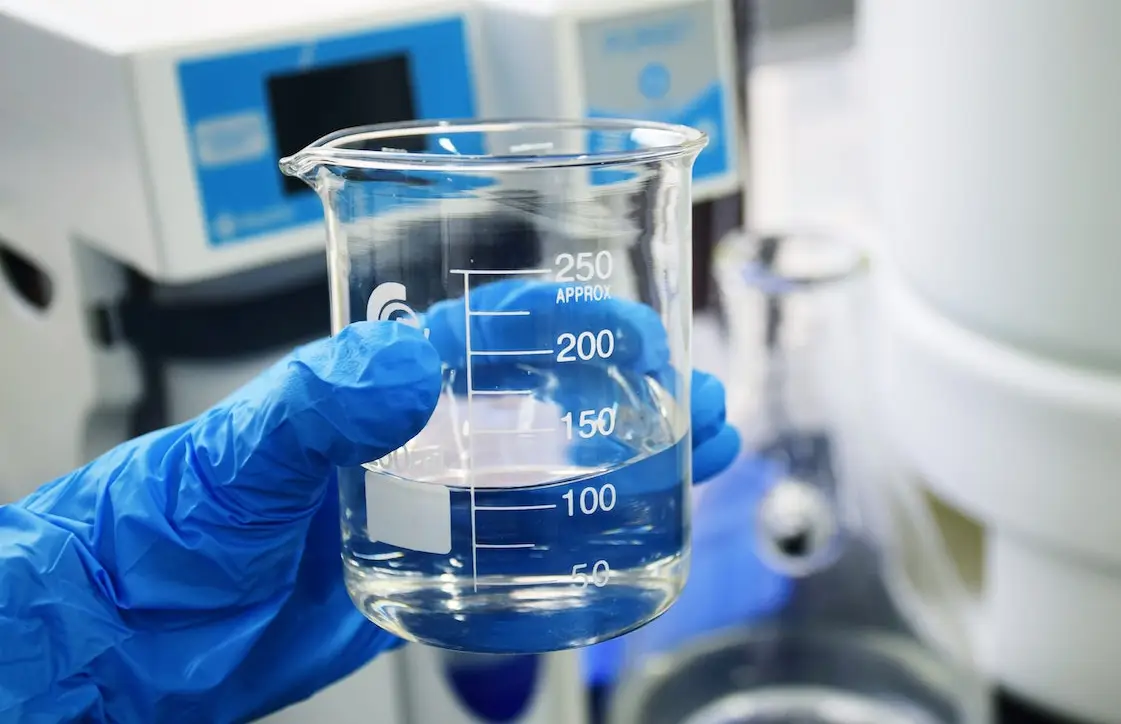
Complex pet-food matrices or specialized analytical questions may require methods beyond an
established routine approach.
Method-development projects may involve:
- Defining the analytical objective
- Selecting the technique
- Sample preparation
- Extraction
- Separation
- Detection
- Calibration
- Controls
- Matrix interference
- Reproducibility
The method should be appropriate for both the sample matrix and intended use of the resulting
data.
Scientific Consulting for Pet Food Manufacturers
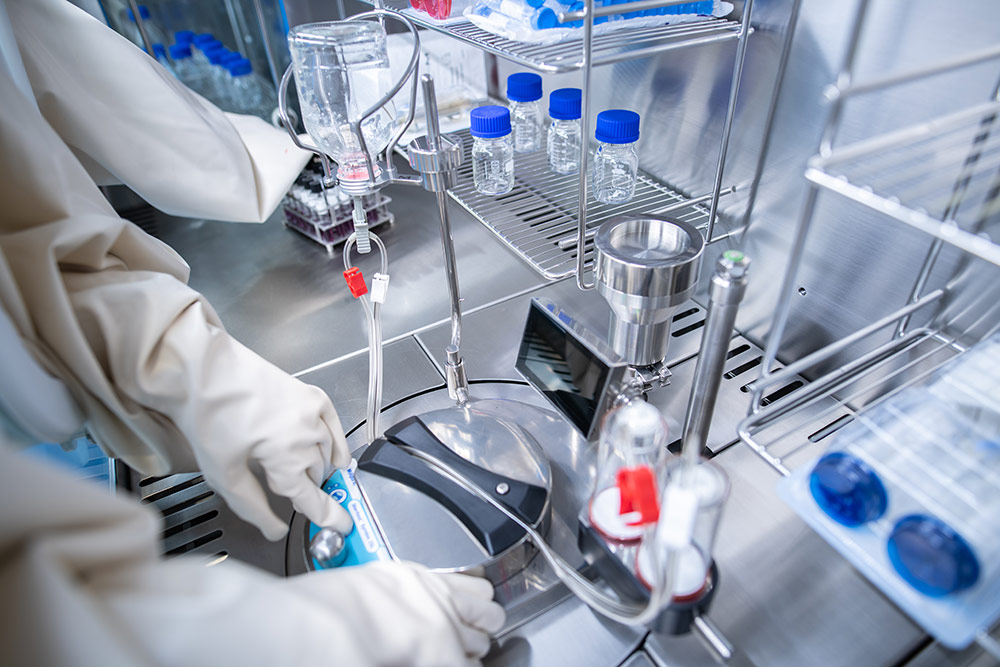
Sometimes the manufacturer understands the production or quality problem but does not yet
know what should be tested.
Scientific consulting can help evaluate:
- Existing laboratory results
- Pathogen findings
- Contamination patterns
- Ingredient changes
- Supplier differences
- Product-development questions
- Shelf-life problems
- Batch inconsistency
- Processing changes
- Testing strategy
- Follow-up investigation
Where appropriate, the resulting scientific plan can connect directly to available CMDC Labs
laboratory resources.

Quality & Regulatory Support
Pet-food laboratory programs may contribute to:
- Food safety
- Ingredient evaluation
- Raw-material quality
- Finished-product quality
- Environmental monitoring
- Product verification
- Contamination investigation
- Supplier evaluation
- Manufacturing investigations
- Method validation
- Compliance-related testing
The intended use of laboratory data should be established before testing begins so applicable
methods, documentation, laboratory requirements, and reporting expectations can be
determined.
Laboratory Capabilities for Pet Food Projects
Pet-food projects may draw upon several CMDC Labs scientific areas.
Food Safety & Microbiology
Pathogen testing, microbial identification, enumeration, contamination investigation, and
environmental monitoring.
Analytical Chemistry
Chemical analysis, chromatography, spectroscopy, contaminant investigation, and product
characterization.
Elemental Analysis
ICP-MS and heavy-metal analysis for appropriate ingredients, raw materials, and finished
products.
Water & Environmental Science
Water-quality testing, wastewater analysis, microbiology, and environmental investigation.
Scientific Troubleshooting
Multidisciplinary investigation of recurring contamination, product inconsistency, manufacturing
problems, and unexpected results.
Research & Product Development
Product characterization, ingredient comparisons, shelf-life-related investigation, analytical
method development, and customized research.
Connecting Ingredient, Environment & Product Data
Pet-food investigations can become more informative when several evidence streams are
considered together.
For example:
Unexpected Finished-Product Finding
●
Raw-Material Results
●
Ingredient Data
●
Environmental Monitoring
●
Water / Process Information
↓
Identify Patterns
↓
Develop Potential Source Hypotheses
↓
Perform Targeted Follow-Up Testing
This allows the investigation to become progressively more focused.
A Connected Scientific Pathway for Pet Food Manufacturing
A new product may progress through:
Product Concept
↓
Ingredient / Raw-Material Evaluation
↓
Formulation Development
↓
Microbiological & Analytical Characterization
↓
Shelf-Life Evaluation
↓
Manufacturing
↓
Food Safety / Quality Testing
↓
Environmental Monitoring
↓
Ongoing Troubleshooting
A contamination problem may instead follow:
Unexpected Finding
↓
Characterize the Organism or Contaminant
↓
Review Product & Manufacturing History
↓
Evaluate Product / Ingredients / Raw Materials / Environment / Water
↓
Identify Relevant Patterns
↓
Targeted Follow-Up Investigation
↓
Process or Control Changes
↓
Verification Testing
The appropriate scientific pathway depends on the problem being investigated.
Have a Pet Food Problem Rather Than a Defined Test?
You don’t need to determine the laboratory method before contacting CMDC Labs.
Tell us:
- What pet-food product is involved?
- What problem are you observing?
- Is the concern microbiological, chemical, quality-related, or unknown?
- When did the problem begin?
- Is every production lot affected?
- Have ingredients, suppliers, water, processing, packaging, or storage changed?
- What testing has already been performed?
- Are comparison samples available?
- How will the resulting data be used?
CMDC Labs can evaluate the question and determine which available scientific resources may
be appropriate.
Already Know What Pet Food Testing You Need?
If you already have a defined organism, analyte, sample type, method, standard, or testing requirement, proceed directly to the appropriate laboratory service.
Scientific Support Beyond Routine Pet Food Testing
Pet food manufacturing connects ingredients, raw materials, microbiology, food safety, analytical chemistry, processing, water, manufacturing environments, product development, shelf life, and quality.
When a problem crosses these areas, a single isolated test may provide only part of the scientific picture.
CMDC Labs’ Scientific Solutions approach connects appropriate laboratory resources around the underlying question—helping manufacturers move from:
finding → investigation → evidence → better-informed action.